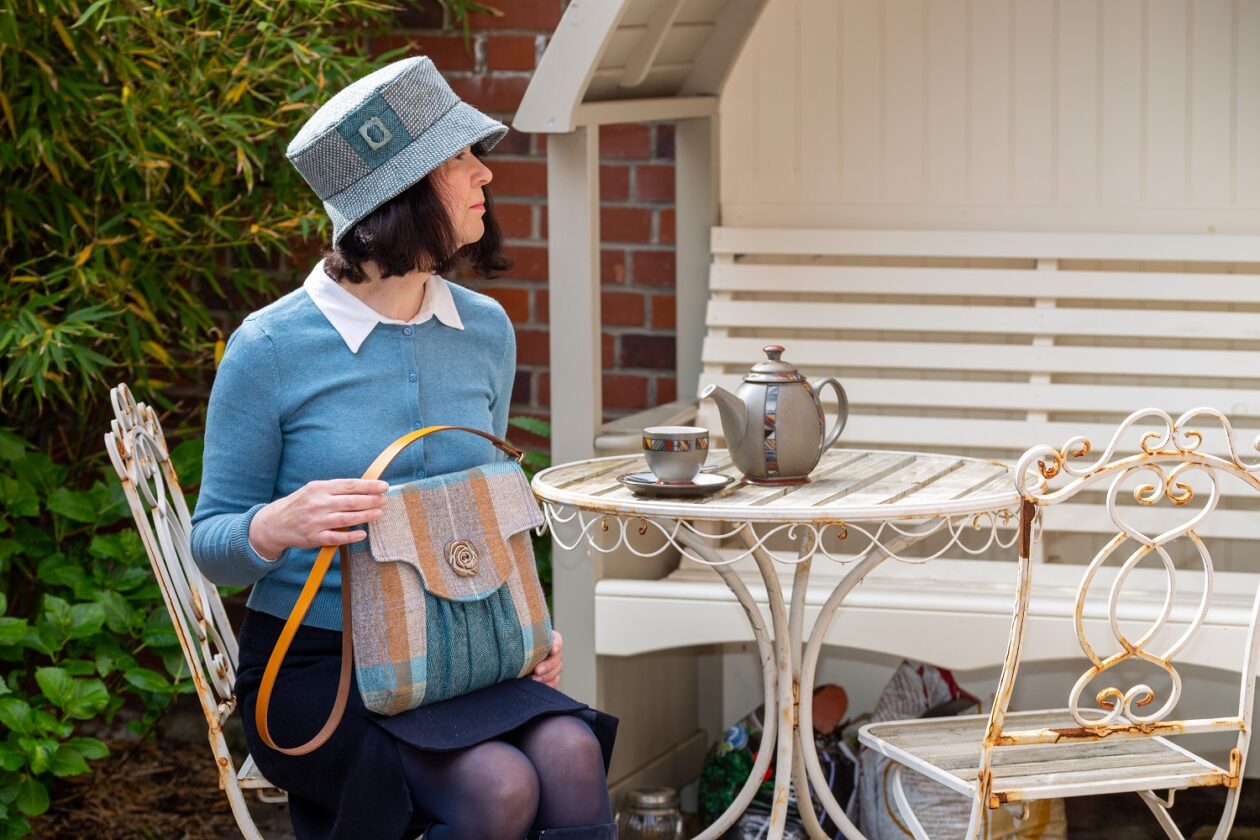
A hat is the crowning glory of any vintage inspired outfit”
At one time, an ensemble wasn’t deemed complete without a hat. From the cloches of the 1920s to the pillboxes of the 60s, hats defined the mode of each decade throughout the 20th century.
Although in terms of fashion they no longer have the importance they had in the past, hats still have many practical roles to play, from keeping the sun – or rain – off our heads to providing warmth in the winter. You also can’t beat an occasion such as a wedding or a day at the races for an excuse to wear a hat as a stylish finishing touch.
My love of hats
I’ve always loved hats. I think it goes back to trying on items in my mum’s wardrobe as a child and finding a glorious floppy felt hat to ‘dress up’ in. Note: I later dyed said hat with creosote (don’t ask!) to make it black rather than its original classy tan and wore it to a U2 concert where Bono donned it onstage for a song. I often chuckle at the thought of him getting back to his hotel room after the gig and wondering why he had a black stain around his head…
I also remember my grandmother, Violet, wearing hats for church on Sundays, plus pondering over pictures of my great aunts’ fine array of hats at my parents’ wedding in 1960.
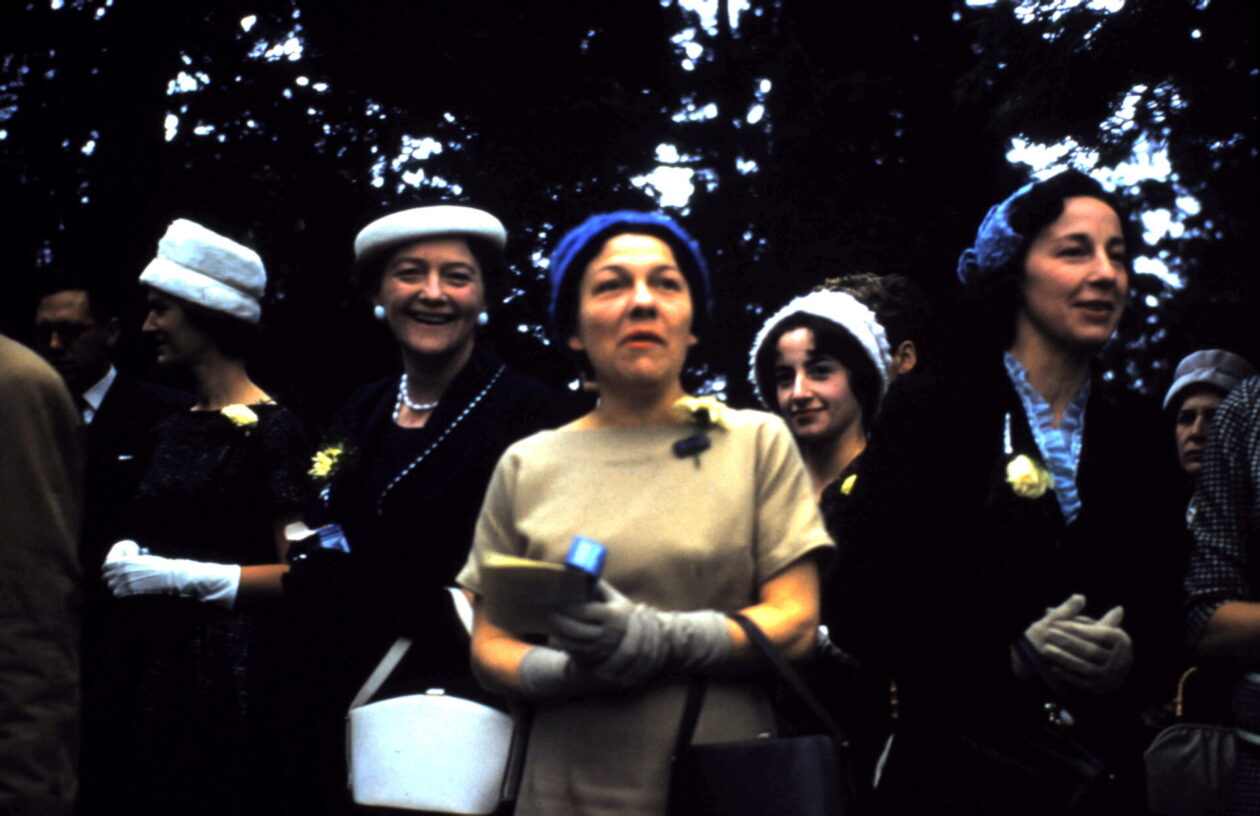
Anyway, I started making hats in the early 1990s to compliment the clothing I designed but soon found there was a call for the hats in their own right. In fact, the hats were the crowning glory of all of my vintage inspired outfits.
Fast forward 30 years and I am now designing patterns so that people can sew their own hats. We have some definite favourites among the Charlie’s Aunt hat patterns collections with the Chelsworth Cloche and the two beret patterns coming out on top with customers.
My personal preference is for the Lavenham Beret made up in winter woollen fabrics, which can be dressed up or down and looks equally relevant with a smart coat or with overalls. I also love the versatility of the Beckhythe Hat which has multiple uses from serviceable to stylish.
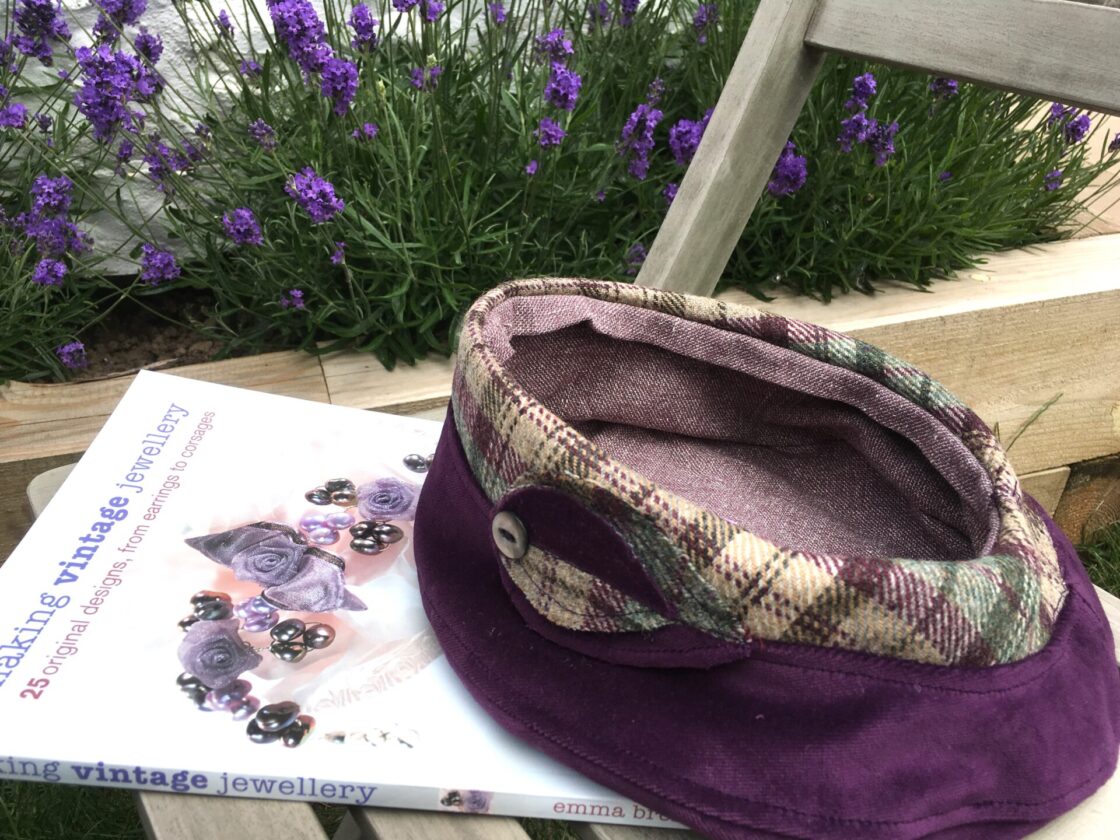
How difficult is it to make a hat?
Unlike making handbags, which can be a variety of shapes and sizes, a hat has to fit, and boy do head sizes vary! The sizing issue means hat patterns have to conform to a certain form (to fit on a head) and a range of measurements. A hat pattern usually consists of a crown, a top, and in some cases, a brim or cuff. ‘Flat’ patterns can be altered quite easily in terms of sizing by making small adjustments.
Sizing tips for hats
With hats there are some general rules to bear in mind that apply to all styles. Head sizes can vary by up to a couple of inches. Although I size most of my hat patterns to fit a fairly standard 22” (56cm) head, soft fabric hats can be made slightly larger by using smaller seams on panels. Make a hat slightly smaller by pulling in the grosgrain ribbon tighter, or sewing with bigger seams (A).
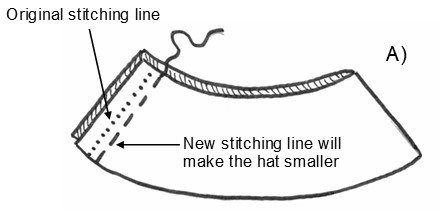
As a general rule, before you start sewing a hat together, pin the back seam in the crown or hat band and try it on first. If it is going to be much too big, then stitch it with a bigger seam allowance.
Grosgrain ribbon bands
Most hats can be finished with grosgrain ribbon around the inside which acts as a ‘band’. It is easiest to pin and tack this around the inside of the hat and then try the hat on. If it is still a little large, re-pin easing in more fullness (i.e. using a shorter length of ribbon). First measure the grosgrain to fit snugly but comfortably around your head and add between 1 and 2 inches (2½ to 5cm) seam allowance at the end for overlap and fold.
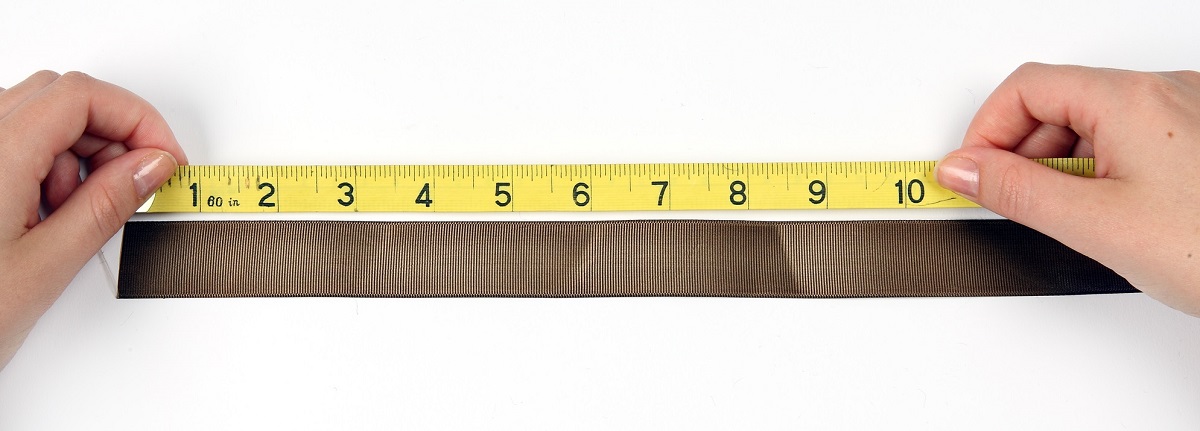
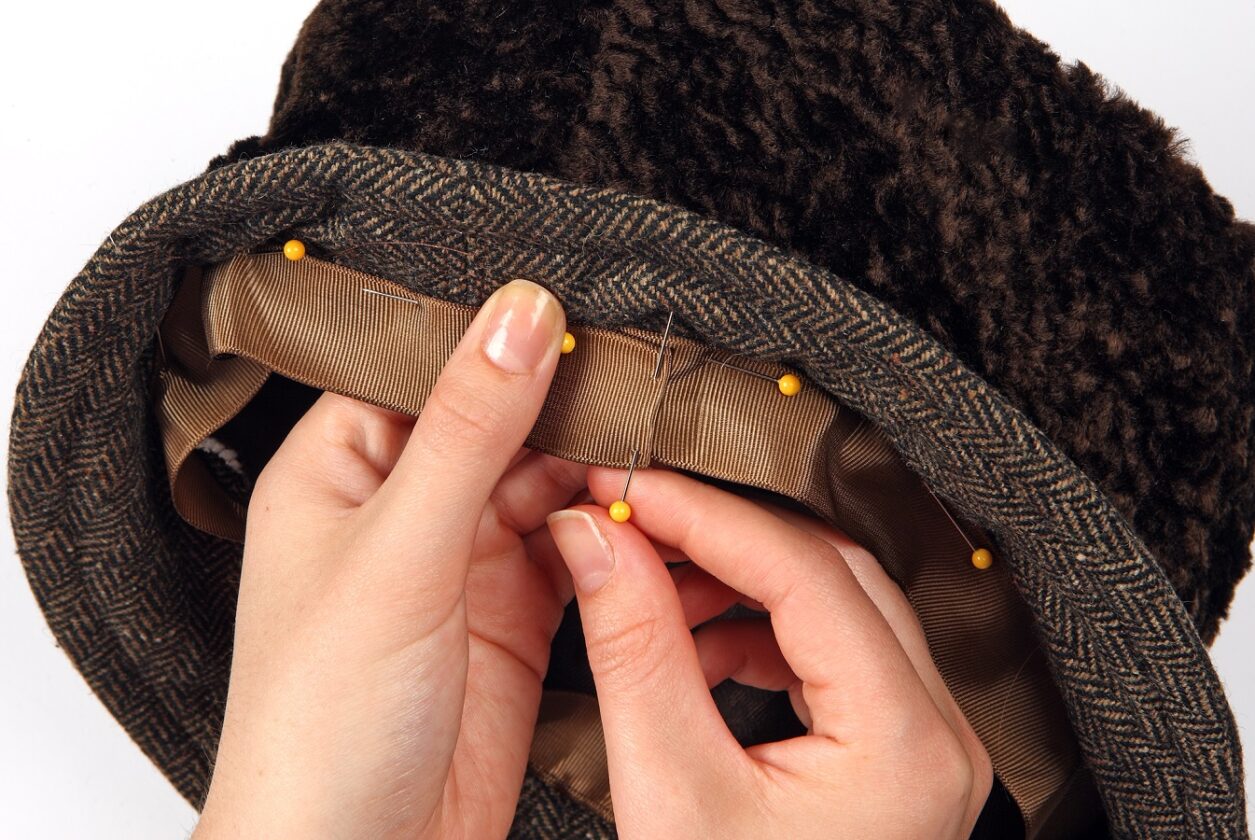
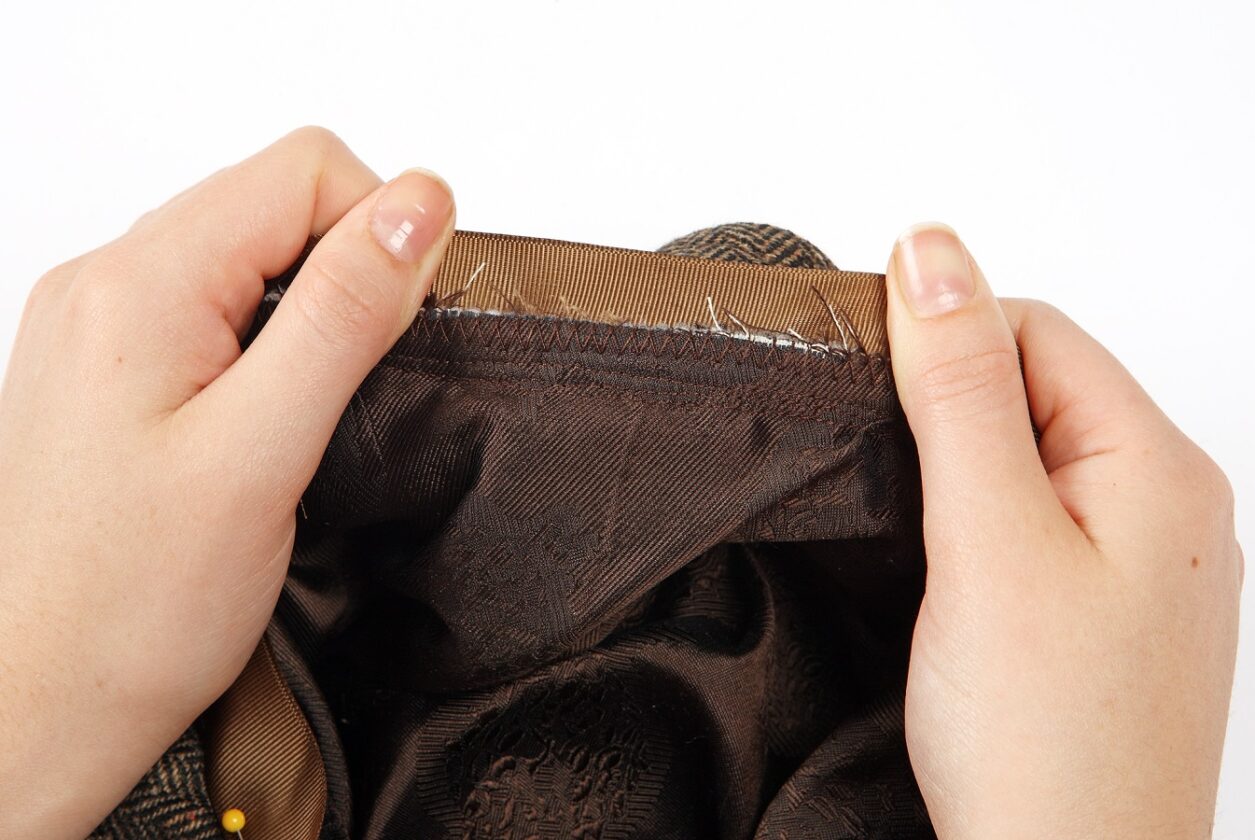
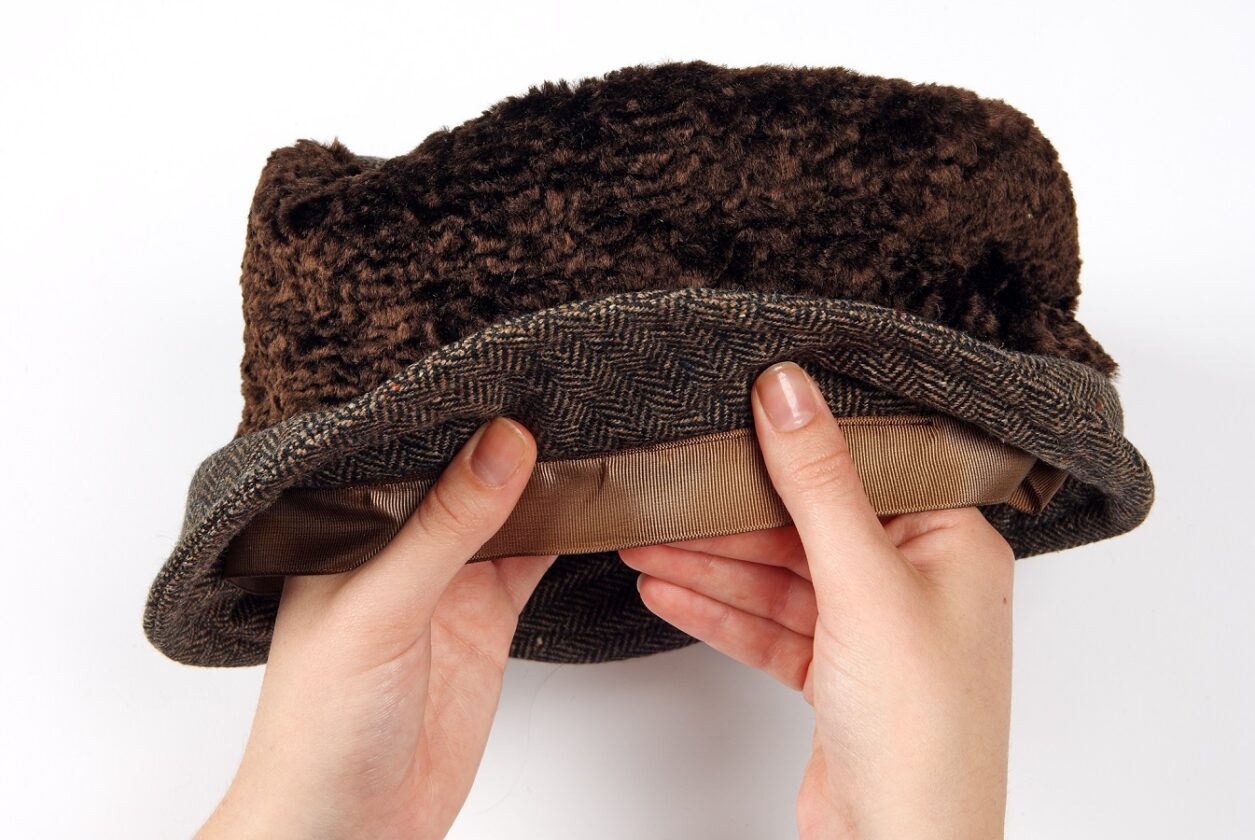
If the fabric you are using frays, once you have assembled the hat (stitched the lining into it), you can zigzag stitch around the inside raw edges to prevent any fraying before you stitch the grosgrain ribbon on. Next pin the ribbon to the hat covering the seam and zigzagging. Fold one end of the ribbon over, and overlap the two ends of the ribbon with the folded edge on top.
Finally stitch the ribbon in place about ¼” (6mm) from the edge of the grosgrain. Hand or machine-stitch the folded end of the grosgrain ribbon in place.
Charlie’s Aunt hat sewing patterns
The Charlie’s Aunt range includes several hat patterns of differing styles, ranging from the popular Chelsworth Cloche to the wide brimmed Hainford Hat and the Castle Acre Cap, perfect for the summer.
To see the full range, visit the Charlie’s Aunt Etsy shop hat section.